






































































































Advanced Forex Market Structure: Session Overlaps, Liquidity Windows, and GBP Pair Dynamics
The foreign exchange (forex) market is often described as the world’s largest financial market, with a daily trading volume exceeding $7 trillion. Yet, despite its size and liquidity, understanding its intricate structure can make the difference between consistent trading success and repeated setbacks.
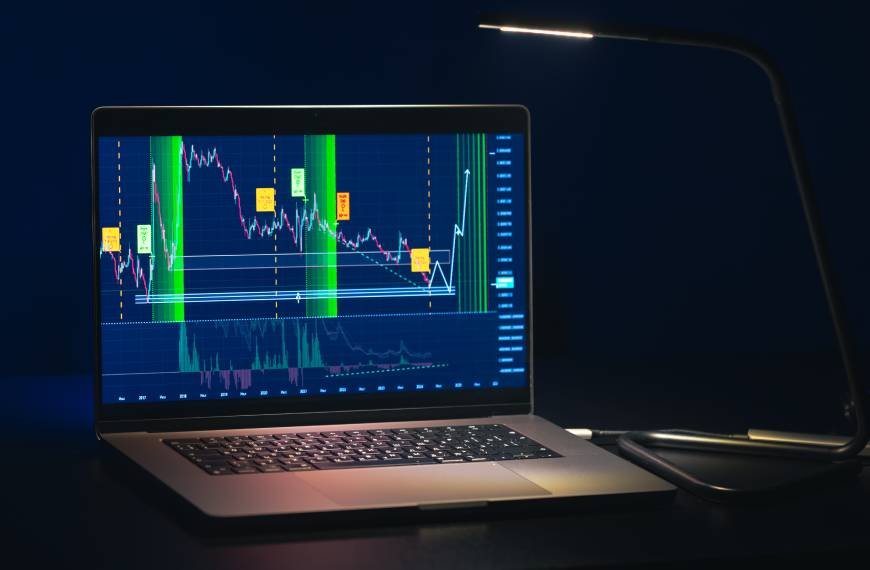
For advanced traders, particularly those focusing on major currency pairs like GBP/USD or GBP/JPY, mastering the nuances of market structure, including session overlaps, liquidity windows, and pair-specific dynamics, is essential.
The Power of Session Overlaps
One of the most significant opportunities in forex trading arises during session overlaps. The London-New York overlap, occurring between 1:00 PM and 5:00 PM GMT, is particularly noteworthy. During this window, both the European and U.S. markets are active, combining high trading volume with increased volatility. This period often sees sharper price movements and wider trading ranges, ideal conditions for short-term traders and scalpers.
The Tokyo-London overlap, while shorter and less volatile, still presents valuable opportunities for traders focused on JPY or GBP pairs. Recognizing these overlaps enables traders to anticipate liquidity surges and strategically time entries and exits, rather than reacting to sudden market swings.
Liquidity, after all, is the lifeblood of the forex market. The more participants actively trading, the smoother price movements tend to be, reducing slippage and providing better opportunities for execution. Understanding when liquidity peaks allows traders to optimize risk-reward scenarios and avoid low-volume periods that can distort price action.
Liquidity Windows and Their Impact
Liquidity windows refer to periods when the forex market exhibits high trading activity, resulting in tighter spreads, faster execution, and more predictable price behaviour. These windows often coincide with economic news releases or scheduled market events. For GBP pairs, liquidity windows are particularly pronounced during the London session, as well as when the U.S. session overlaps, given the currency’s exposure to both European and American economic developments.
For example, a UK GDP report or Bank of England monetary policy announcement can trigger dramatic moves in GBP/USD or GBP/JPY pairs. Advanced traders monitor these windows carefully, often incorporating news calendars and pre-defined risk limits into their strategies. By aligning trades with periods of high liquidity, they reduce the risk of slippage and improve the efficiency of their entries and exits.
It is equally important to recognize low-liquidity periods, such as the early hours of the Sydney session or late in the New York session. During these times, spreads may widen, and sudden price jumps can occur with minimal trading activity. Awareness of these periods helps traders avoid unnecessary exposure to erratic market behaviour.
GBP Pair Dynamics
The British pound (GBP) is one of the most actively traded currencies, and its pairs offer unique trading dynamics. GBP/USD, often called “Cable,” is sensitive to both UK and U.S. economic data, while GBP/JPY tends to reflect broader risk sentiment due to its correlation with equity markets.
GBP pairs are highly reactive to political events, monetary policy decisions, and macroeconomic data releases. Understanding these dynamics requires more than technical analysis; it requires an appreciation for the interplay between market psychology, liquidity flows, and session-specific activity.
Advanced traders often combine session analysis with currency-specific characteristics. For instance, during the London session, GBP pairs tend to exhibit more pronounced intraday trends, whereas during the Tokyo session, price movements are generally narrower and more range-bound. Similarly, during the London-New York overlap, traders may capitalise on sharp breakout moves in GBP/USD, capturing momentum as the two major centres compete for control.
Moreover, GBP pairs are influenced by cross-currency activity. For example, GBP/JPY movements may reflect broader risk-on or risk-off sentiment in global markets, providing clues about potential correlations with equities or other commodity-linked currencies.
Integrating Market Structure into Trading Strategies
For professional traders, understanding market structure is not an academic exercise—it directly informs trading strategy. By integrating session overlaps, liquidity windows, and GBP pair dynamics, traders can:
- Time trades more effectively: Enter positions during high-liquidity periods to reduce slippage and optimize spreads.
- Manage risk: Adjust position sizes and stop-loss levels according to expected volatility during specific sessions.
- Enhance strategy selection: Match trading techniques, such as scalping or swing trading, to the conditions of each session and currency pair.
- Anticipate market behaviour: Use knowledge of cross-currency correlations and session characteristics to forecast price movement with higher probability.
For traders seeking a deeper understanding and practical tools to navigate these complexities, platforms that combine advanced charting, news feeds, and execution capabilities are invaluable. Reliable trading environments allow for monitoring market structure in real-time, identifying liquidity windows, and analyzing GBP pair behaviour with precision. For further insights into structured trading environments, visit this weblink.
Conclusion
Mastering advanced forex market structure requires attention to detail, patience, and a willingness to study the subtleties of trading sessions, liquidity patterns, and currency-specific behaviour. By understanding session overlaps, recognizing liquidity windows, and analyzing GBP pair dynamics, traders position themselves to navigate the market more intelligently, seize opportunities with confidence, and mitigate risk effectively.
Forex trading is as much about strategic timing and market awareness as it is about technical skill. By integrating these advanced concepts into a disciplined approach, traders can elevate their performance, reduce uncertainty, and engage with the market on a professional level.